Daily Lifestyle Tips to Prevent Heart Disease

Heart disease is one of the leading causes of death worldwide — but the good news is, it’s largely preventable with simple, consistent lifestyle choices. Adopting heart-healthy habits can go a long way in protecting your cardiovascular health.

Start by eating a balanced diet rich in fruits, vegetables, whole grains, lean proteins, and healthy fats. Limit processed foods, salt, sugar, and saturated fats. Stay active with at least 30 minutes of moderate exercise, like walking, swimming, or cycling, most days of the week to keep your heart strong and your weight in check.

Avoid smoking and limit alcohol consumption, as both can damage your heart and blood vessels. Manage stress through mindfulness, deep breathing, or yoga — chronic stress is a hidden risk factor for heart issues. Get quality sleep, aiming for 7–8 hours per night, as poor sleep has been linked to high blood pressure and obesity.

Finally, keep track of your health — monitor your blood pressure, cholesterol levels, and blood sugar, especially if you have a family history of heart disease. Small, daily steps can lead to a stronger, healthier heart for life.

What Is 2D Echo and Why Is It Important?

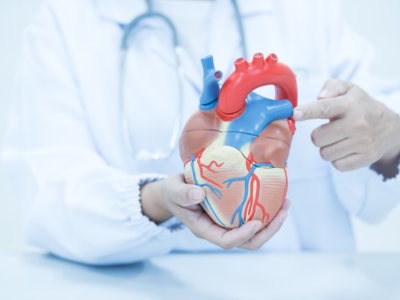
A 2D Echo, or two-dimensional echocardiography, is a non-invasive diagnostic test that uses ultrasound waves to create real-time images of the heart. It allows doctors to observe the heart’s chambers, valves, and blood flow patterns, helping assess its overall structure and function.

This test is commonly used to detect heart conditions such as valve problems, congenital heart defects, heart muscle diseases, and fluid around the heart. It also helps evaluate symptoms like chest pain, shortness of breath, irregular heartbeats, or fatigue.

Why is it important?
A 2D Echo plays a crucial role in early diagnosis and treatment planning. By identifying heart abnormalities early, doctors can recommend lifestyle changes, medications, or interventions before the condition worsens. It’s painless, safe, and typically takes less than 30 minutes, making it a reliable choice for routine cardiac screening.

Whether you’re at risk for heart disease or experiencing symptoms, a 2D Echo can provide valuable insights into your heart health — making it an essential tool for timely and accurate cardiac care.

When to See a Doctor for Knee Pain

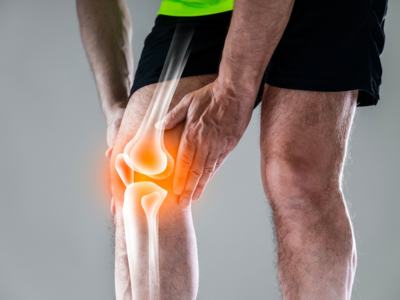
Knee pain is a common issue that can result from injury, overuse, or underlying health conditions like arthritis. While mild discomfort can often be managed at home with rest, ice, and over-the-counter pain relievers, certain signs should not be ignored.

You should see a doctor if:

  • The pain is severe or persists for more than a few days
  • You experience swelling, redness, or warmth around the joint
  • The knee cannot bear weight or feels unstable
  • There is a visible deformity or popping sound at the time of injury
  • You have limited range of motion or difficulty bending or straightening the knee

Chronic knee pain, especially in older adults, may indicate conditions like osteoarthritis or ligament damage that require medical evaluation. Early diagnosis can prevent further joint damage and help you regain mobility with appropriate treatment.

Whether the pain is from sports, a fall, or long-term wear and tear, consulting a doctor can provide clarity and peace of mind. Don’t wait for the pain to worsen — timely intervention is key to a faster recovery.

How to Manage Diabetes Effectively at Home

Managing diabetes at home is all about maintaining balance — in diet, lifestyle, and medication. Whether you have type 1 or type 2 diabetes, daily care is essential to keep your blood sugar levels in check and prevent complications.

  1. Monitor Your Blood Sugar:
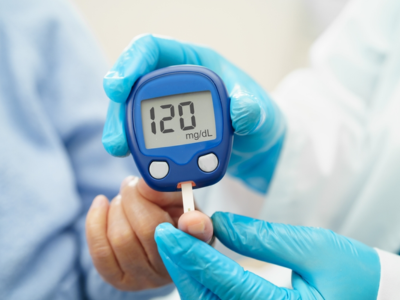
    Regular monitoring helps you understand how food, activity, and stress affect your glucose levels. Use a glucometer or a continuous glucose monitor (CGM) as advised by your doctor.
  2. Follow a Balanced Diet:
    Focus on high-fiber foods, whole grains, lean proteins, and healthy fats. Avoid sugary snacks, refined carbs, and processed foods. Keep portion sizes in check, and try to eat meals at regular intervals.
  3. Stay Active:
    Engage in at least 30 minutes of moderate physical activity most days. Walking, yoga, and light strength training can improve insulin sensitivity and help with weight control.
  4. Take Medications as Prescribed:
    Never skip your insulin or oral medications. Stick to your prescribed schedule and consult your doctor before making changes.
  5. Manage Stress and Sleep:
    Stress and lack of sleep can spike blood sugar. Try mindfulness, meditation, and ensure 7–8 hours of restful sleep.

With discipline and routine, diabetes can be managed effectively from the comfort of your home.

Post-Operative Care After Joint Replacement

Recovering from joint replacement surgery is a crucial phase that significantly impacts the long-term success of the procedure. Proper post-operative care not only speeds up healing but also reduces the risk of complications. In the initial days after surgery, rest and pain management are essential. Follow your doctor’s instructions carefully, especially when it comes to taking medications, wound care, and preventing infections.
Physical therapy plays a key role in regaining mobility and strengthening the joint. Gentle exercises recommended by your physiotherapist should be done regularly to improve range of motion and avoid stiffness. Avoid putting excess weight or strain on the joint too soon, and use support devices like crutches or walkers as advised.
A healthy diet, hydration, and adequate sleep further support the healing process. Watch for signs of complications like unusual swelling, redness, fever, or increased pain, and contact your doctor if they occur. With proper care, most patients return to their normal routines within a few weeks to months. Patience, consistency, and professional guidance are the keys to a successful recovery.